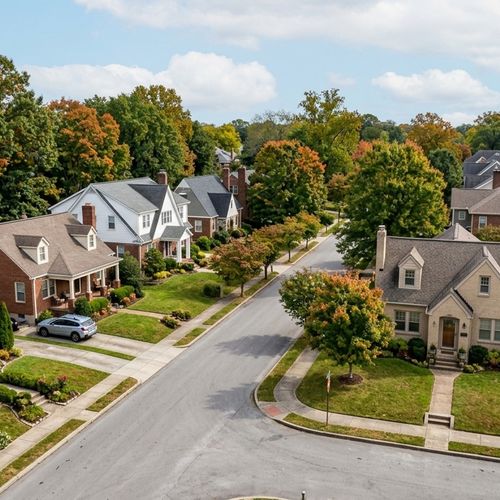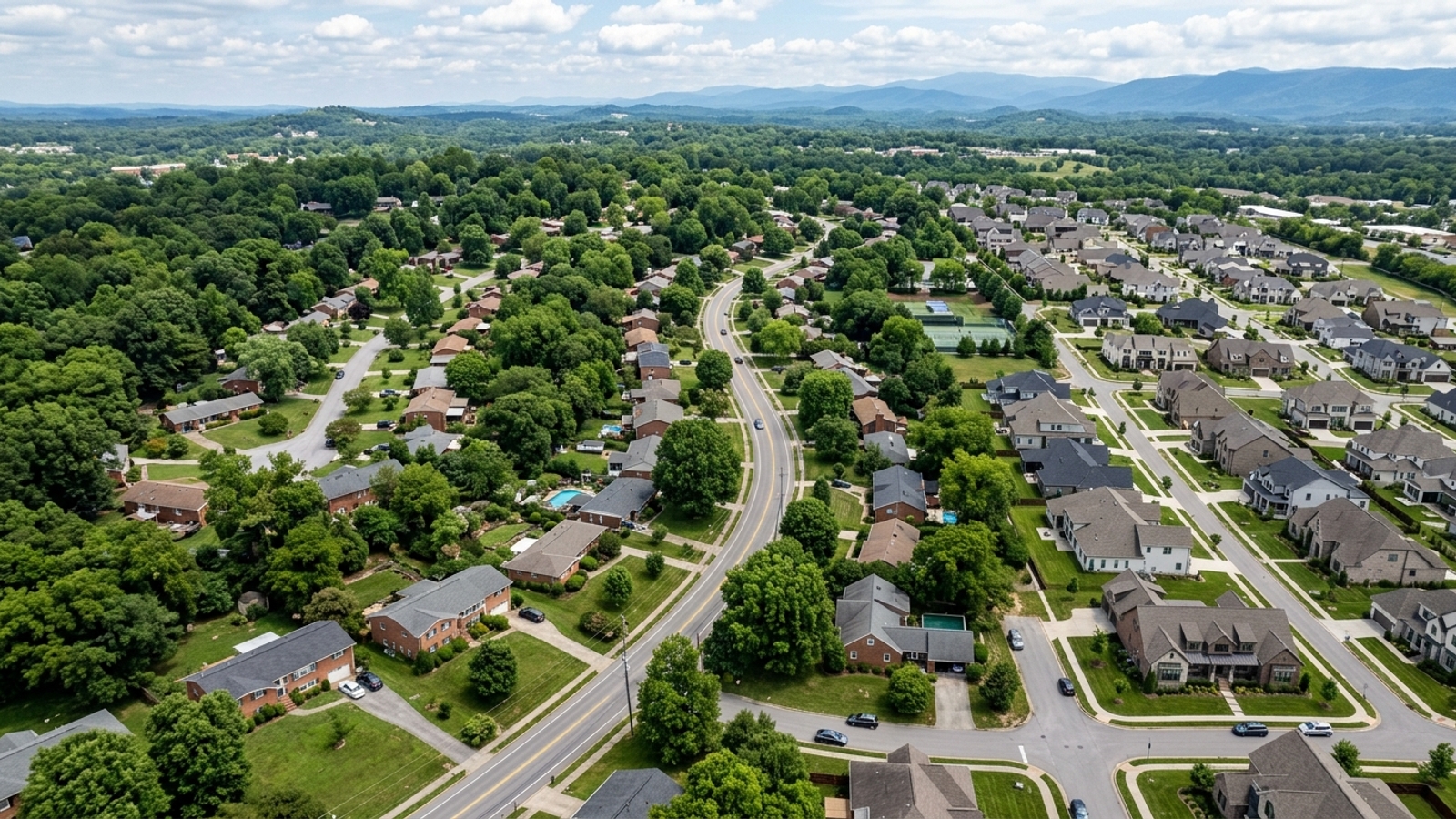
East Tennessee has drawn a steady stream of new residents over the past decade, and Knoxville sits right at the center of that growth. Positioned in the Tennessee Valley, the city offers those buying a home in Knoxville a distinct alternative to the larger metros in the state - access to the Great Smoky Mountains on one side, a growing local economy on the other.
Deciding whether to relocate here means looking at actual numbers, not impressions. The median home price in Knoxville currently sits around $325,000, which tends to stop buyers from higher-priced regions mid-sentence. But before you start packing, you'll want to weigh the specific tradeoffs to see if this place fits your budget and how you want to live.
What to Expect When Moving to Knoxville, TN
Knoxville offers a real mix of affordability and outdoor access, but it comes with its own regional quirks. Homes here are currently spending roughly 54 days on the market, which gives you a bit more room to think than you'd get in a hotter market. The local climate, tax structures, and infrastructure all factor into what daily life costs and feels like - and getting clear on those early makes the transition a lot smoother.
Pros of Living in Knoxville
Tennessee has no state income tax, which keeps more money in your pocket and helps offset other local taxes. The Tennessee River and the national parks nearby mean year-round outdoor recreation isn't something you have to drive hours for - it's just there.
The real estate market stays relatively accessible, too. The MLS recently reported a median sale price of $324,785, a number that lets most out-of-state buyers get considerably more square footage than they'd find in coastal markets or larger cities.
Cons to Consider Before Moving
Humidity and summer heat are constants in the Tennessee Valley, and they will show up on your utility bills. If you're commuting on I-40 or I-75, plan for regular congestion during peak hours - the city's infrastructure handles local traffic and a steady flow of interstate freight at the same time.
Older homes in the area may also need updates to meet modern energy efficiency standards. And the local median household income sits below the state average, which matters if you're planning to find work here rather than bring a remote job with you.
Location and Geography of Knoxville, TN
Knoxville is the county seat of Knox County and the primary hub for the broader East Tennessee region. The city covers 98.7 square miles - a mix of dense downtown blocks and more spread-out suburban lots depending on where you look.
Geographically, it sits between the Great Smoky Mountains to the south and the Cumberland Plateau to the west. That positioning gives residents direct access to regional highways, so weekend trips to neighboring states or other Tennessee cities are straightforward.
Knox County and East Tennessee Access
Living in Knox County means you're served by Knox County Schools and local county services. Interstate 40 runs east toward North Carolina and west toward Nashville, and that highway access shapes both the local logistics economy and the daily commute patterns most residents deal with. The mountain proximity also does something to the local culture - there's a genuine outdoor-focused current running through the city that you don't find in every mid-sized metro.
Population and City Size
According to the Census Bureau's 2024 American Community Survey 1-year estimate, Knoxville's population is 198,708, at a density of 2,012.6 people per square mile. The city has grown steadily from 178,258 in 2010, which works out to an average annual growth rate of about 0.78% over the past fourteen years. It's not explosive growth, but it's been consistent.
Knoxville Crime Statistics
The only reliable way to understand local crime rates is to go directly to official law enforcement data - not neighborhood forums, not word of mouth. Both the Knoxville Police Department (KPD) and the FBI publish regular reports covering property and violent crime figures for the city.
Rates fluctuate year to year and reporting methods change, so checking the most recent Uniform Crime Report (UCR) or the National Incident-Based Reporting System (NIBRS) gives you the clearest picture of where things stand.
How Crime Rates Compare
According to the FBI's 2024 Uniform Crime Report, Knoxville's total crime rate is 3,461.6 per 100,000 people - 63.34% higher than the national rate of 2,119.2 and 31.90% higher than the Tennessee statewide rate of 2,624.4 per 100,000. The violent crime rate came in at 740.3 per 100,000, with 1,484 violent crimes recorded in that reporting year.
That said, KPD's preliminary 2024 report did show a citywide decline in certain categories - murders dropped from 24 in 2023 to 23, and non-fatal shootings fell by 45%. The aggregate numbers are worth knowing, and so is the direction of travel.
Researching Local Police Data
For street-level research, the LexisNexis Community Crime Map is the City of Knoxville's official crime map portal, linked directly from the city's Open Data page and the KPD's Crime Analysis Unit page. You can search by crime type, view incidents geographically, and submit tips. The KPD also maintains a Public Offense Dashboard that refreshes daily with NIBRS-based offense data - granular enough to pull figures down to the block level if you want to look at a specific address.
Housing Costs and Living Expenses in Knoxville
Housing cost is the first thing most out-of-state buyers ask about, and it's a legitimate draw. Recent MLS data shows homes selling for an average of 97.4% of their list price, which points to a reasonably balanced negotiating environment. Pricing varies depending on property type and how close you are to the city center, so the median doesn't tell the whole story.
Factor in property taxes, utility costs, and maintenance when you're calculating what a home costs you each month - the purchase price is only part of the picture.
Renting and Buying Homes
The Knoxville market currently has about 815 active listings, representing roughly 3.4 months of supply. Homes priced under the median tend to move faster than luxury properties, so don't assume that inventory number applies evenly across price points. Zillow's Home Value Index puts the average home value at $374,452, while Census data from 2024 showed a median property value of $239,700 and a homeownership rate of 46.6%. About 16.7% of recent sales closed above asking price, so for well-maintained homes, you'll still want to come in with a competitive offer.
Income and Salary Expectations
Per the Census Bureau's 2024 1-year estimate, Knoxville's median household income is $57,298 - roughly 80% of the overall Tennessee median of $71,997. The city's median age is 33.4 years, lower than the U.S. median of 39.2. If you're relocating without a remote job, those income figures are worth sitting with before you set a housing budget based on what you were earning somewhere else.
Climate, Weather, and Things to Do
Knoxville has a humid subtropical climate - summers are hot and humid, winters are generally mild with occasional light snow. Seasonal change is real here, but it's not the brutal winter you'd deal with further north. Daily life also involves a reasonably developed network of parks, entertainment venues, and municipal services.
Weather and Natural Hazard Risks
Being inland keeps Knoxville clear of direct hurricane landfalls, though remnants of coastal storms can still bring heavy rain. Severe thunderstorms are a regular feature of spring and late fall, and tornado watches aren't unusual during those seasons.
If you're looking at properties near the Tennessee River or its tributaries, review the local flood maps before you make any decisions. It's a straightforward step that can save you a lot of trouble later.
Local Utilities and Entertainment
Municipal water and electricity are managed by the Knoxville Utilities Board (KUB), which handles daily power and tap water needs across the city. For recreation, the city maintains extensive greenways, the Urban Wilderness trail system, and boating access on the river. Downtown centers around Market Square, which hosts local dining, retail, and regular community events - it's a functional downtown, not just a marketing concept.
Comparing Knoxville to Nashville
A lot of buyers moving to Tennessee eventually end up comparing these two cities. Both offer no state income tax and steady economic growth, but they're different animals. Nashville operates as a major metropolitan hub driven in large part by a massive entertainment industry. Knoxville is smaller, centered around the university and regional commerce, and it moves at a different pace.
The choice between them usually comes down to budget and commute preferences more than anything else.
Housing and Commute Tradeoffs
Knoxville generally carries a lower median home price than Nashville, which means your budget stretches further - more square footage, larger lots, or simply less financial pressure each month. The inventory here includes a mix of mid-century suburban builds and newer developments on the county's edge.
Commuting in Knoxville is typically shorter and less complicated than working through Nashville's interstate loop. The tradeoff is that Nashville's international airport offers a wider variety of direct flights, which matters if you travel frequently for work.
Specialized Housing Options in Knoxville
The Knoxville real estate market includes property types built around specific living requirements - not just single-family homes and condos. Knox County's zoning accommodates different levels of community living, from managed care facilities to transitional housing.
Touring these properties and verifying their specific services is a standard part of the search process for buyers with these needs.
Senior and Assisted Living Options
Knox County has multiple senior living and assisted living facilities, ranging from independent 55+ communities with shared amenities to full-service assisted living centers with higher levels of medical support. Care tiers and monthly association fees vary by facility, so verify the specifics directly with each location before drawing any conclusions.
Sober Living Homes
The area also supports a network of sober living homes that provide structured, substance-free environments. These facilities operate under specific community guidelines and are distributed across different parts of the city, offering transitional support for residents working through that process.
Frequently Asked Questions
Is Knoxville, TN a good place to live?
It depends on what you're looking for. Knoxville offers a lower cost of living than many national metros, no state income tax, and proximity to outdoor recreation. You'll want to weigh those against humid summers, traffic congestion on the main interstates, and a median household income that sits below the Tennessee state average.
What are the cons of living in Knoxville?
Hot, humid summers and a real exposure to severe spring thunderstorms are the main weather-related drawbacks. Commuters on I-40 and I-75 deal with heavy peak-hour traffic. The local median household income of $57,298 is also lower than the Tennessee average, which matters if you're counting on finding work in the local market.
Is Knoxville expensive to live in?
Relative to national averages, no. The median home sale price is around $325,000, and day-to-day living expenses are generally manageable. That said, factor in property taxes and summer utility costs - they're real line items. Census data puts the median property value at $239,700 for 2024.
Is Knoxville or Nashville a better fit to live in?
Knoxville tends to suit buyers who want a smaller city footprint and lower housing costs. Nashville makes more sense if you need access to a larger metropolitan job market, more entertainment options, and a major international airport. It comes down to whether a lower cost of living or big-city infrastructure matters more to you.
How can I research crime data for specific areas of Knoxville?
Start with the LexisNexis Community Crime Map, which is the City of Knoxville's official crime map portal. The KPD also maintains a daily-updated Public Offense Dashboard on their Crime Analysis Unit page. Both tools let you pull NIBRS-based offense data for specific blocks and neighborhoods.
What specialized housing options are available for seniors or assisted living in Knoxville, TN?
Knoxville has a range of options, including independent 55+ communities and full-service assisted living facilities throughout Knox County, with varying levels of medical care and daily support. Contact individual facilities directly to confirm availability and monthly care fees - those details aren't something you want to rely on secondhand.
Check out this article next