
Living in Farragut, Knoxville, TN: Housing Costs and Local Guide
Farragut sits on the western edge of Knoxville, TN, and operates as its own incorporated town – not just a Knoxville zip code with a different name. Many buyers view it as one of the best neighborhoods in Knoxville, TN. That distinction matters when you’re buying here, because the housing market reflects it. Kingston Pike runs through the center of most people’s daily life, carrying the bulk of commercial traffic and retail activity. What you’ll find for sale is a mix of established subdivisions and newer construction, and property values that sit well above anything you’d call the regional average.
To put a number on that gap: the median home sale price across Knoxville is approximately $325,000, with homes spending about 54 days on the market. Farragut homes sell for roughly $787,000. You’re looking at about 2.4 times the Knoxville median to buy here. That’s the first thing worth understanding before you start scheduling tours.
What to Expect from Farragut, TN
Farragut functions as part of the Knoxville metro in a practical sense – you’ll use the same interstates, the same county services, the same hospital system – but it maintains its own municipal identity, and that shows up in places you might not expect. The Farragut Memorial Plaza next to Town Hall has a bronze statue of Admiral David Farragut along with Civil War-era cannons on loan from the U.S. Naval Yard. The Campbell Station Inn on Kingston Pike, a Federal-style brick building dating to around 1835, sits on the National Register of Historic Places. These aren’t things you’d notice driving through, but they say something about how seriously the town takes its own history.
Day to day, you’re orienting around a couple of main corridors. Kingston Pike is the primary east-west arterial – most retail, most restaurants, most of the commercial footprint you’ll use lives along that road. Interstate 40/75 runs along the northern edge of town and is your fastest route toward downtown Knoxville or into neighboring counties.
Commute Routes and Area Connections
The north-south arterials are what most residents use to reach those main roads. Campbell Station Road and Watt Road feed directly into I-40/75. Lovell Road and Pellissippi Parkway (I-140) connect you to the broader Knoxville region. Concord Road and Northshore Drive handle a significant share of local commuter traffic as well.
Before you commit to a neighborhood, drive your actual commute at 7:30 in the morning and again around 5:00 in the afternoon. Proximity to an I-40 ramp or Pellissippi Parkway can make a real difference in how that daily drive feels six months in.
Housing Options and Market Prices
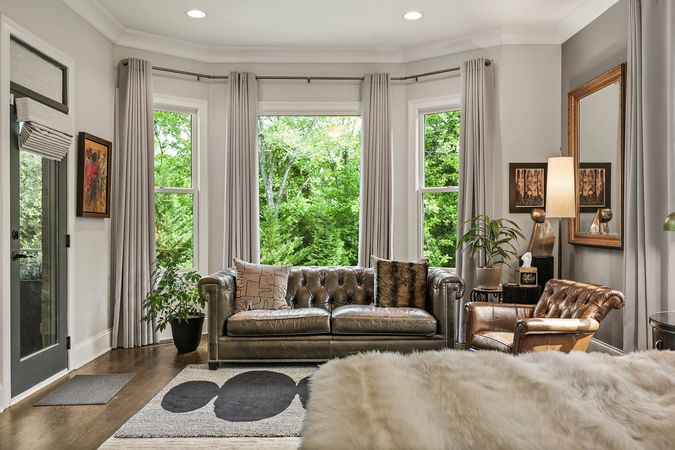
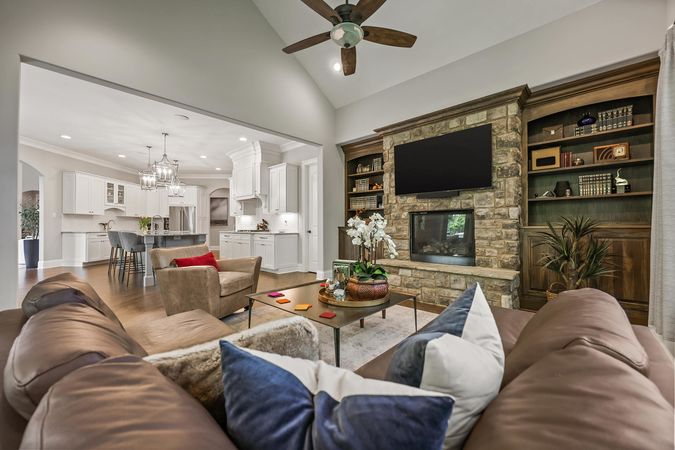
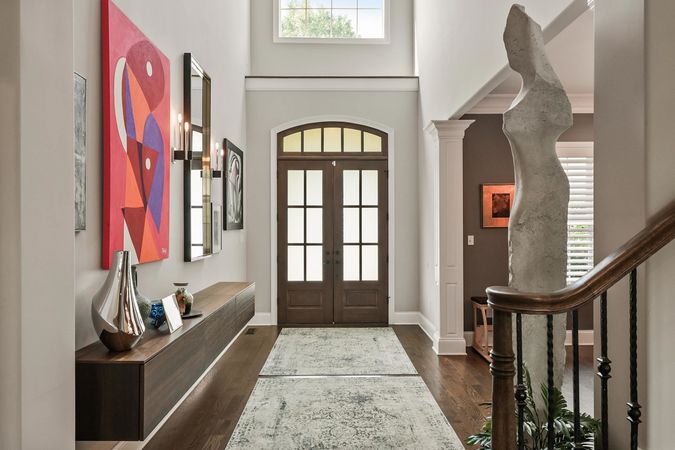
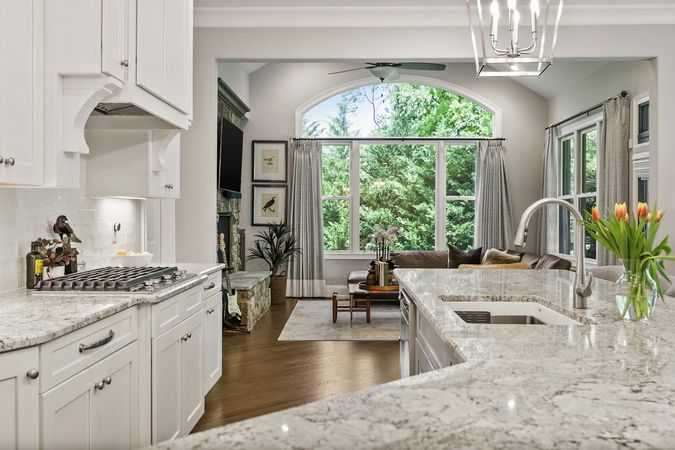
The housing stock here is predominantly single-family detached houses – everything from mid-century builds to larger modern estates. With a median sale price near $787,000, Farragut operates on a different timeline than the $325,000 median Knoxville market. The broader Knoxville region currently carries about 3.4 months of housing supply, but higher-priced tiers in Farragut tend to move on their own schedule, and inventory at any given time can be limited.
HOAs are common in Farragut. Many neighborhoods carry specific covenants around property maintenance, exterior modifications, and shared amenities. Pull those documents early – before you’re emotionally attached to the house – so the fees and restrictions don’t become a surprise at the closing table.
Established Neighborhoods Versus New Construction
Older sections of Farragut often come with mature trees, larger lots, and traditional brick architecture. They also tend to come with kitchens and bathrooms that need updating, and major systems that may be approaching the end of their useful life. Build that into your budget before you make an offer, not after.
Newer construction clusters toward the edges of town. You’ll get modern floor plans and energy-efficient systems, but you’ll also be closer to expanding commercial zones, which affects traffic patterns and ambient noise in ways that aren’t always obvious during a weekend showing.
Daily Life, Dining, and Everyday Services
Commercial development in Farragut is concentrated, which makes it easy to understand – but it also means almost everything you need requires a short drive. Kingston Pike holds the vast majority of the town’s retail footprint. Residential subdivisions are largely free of commercial zoning, which keeps them quiet but means you’re not walking to the grocery store from most addresses here.
Dining follows the same pattern. Fast-casual chains and sit-down local establishments are both present, and both are clustered along the main arterials. If walkable access to a coffee shop or grocery store is on your must-have list, you’ll want to look at this honestly, because Farragut is built around vehicle transit.
Traveling the Commercial Corridors
When you’re evaluating a specific property, count the traffic lights between the subdivision entrance and the nearest grocery store. Neighborhoods directly off Campbell Station Road or Kingston Pike have immediate commercial access – and the peak-hour traffic that comes with it.
Homes closer to Northshore Drive trade that convenience for a quieter setting and a longer drive for everyday errands. Neither choice is wrong. It just depends on what you’re willing to trade.
Schools, Healthcare, and Local Climate
Farragut is served by Knox County Schools, the unified school district for the entire county. Within the town’s borders, there are four public schools: Farragut Primary, Farragut Intermediate, Farragut Middle, and Farragut High School. That said, a Farragut mailing address doesn’t guarantee assignment to any of those buildings. Attendance zone boundaries shift, and the only way to confirm which school a specific address feeds into is to check directly with the district.
On the healthcare side, you’re reasonably well-positioned. Baptist Hospital West (Tennova) is on Parkside Drive in Knoxville, about 1.7 miles from Farragut. Turkey Creek Medical Center and Parkwest Medical Center also operate nearby in Knoxville.
Additional Hospitals and Weather Patterns
If you need a larger academic medical center, the University of Tennessee Medical Center on Alcoa Highway is an option. Fort Loudoun Medical Center in Lenoir City is also accessible, sitting roughly 7.2 miles away. Having several facilities within a reasonable drive is worth noting, especially for buyers with specific healthcare needs.
Weather in Farragut mirrors the rest of the East Tennessee valley – four distinct seasons, hot and humid summers, and winters that are generally mild with occasional light snow. Extreme winterization isn’t a significant maintenance concern here, which matters if you’re coming from a colder climate.
Buying or Renting a Home in the Area
Homes in the Knoxville region currently sell for an average of 97.4% of their list price. With regional inventory sitting around 3.4 months of supply, sellers in this market don’t have much pressure to discount – especially on turnkey properties. A local agent who tracks Farragut’s specific inventory can tell you quickly whether a given home is priced for its actual condition or carrying some optimism.
Rentals in Farragut are a smaller pool than most buyers expect. The housing stock is mostly owner-occupied single-family homes, so rental houses tend to lease quickly when they become available.
Preparing Your Offer
If you’re shopping in the $780,000 range, have your pre-approval letter or proof of funds in hand before you tour anything. Sellers at this price point expect it, and without it you’re not a serious buyer in their eyes.
Pull comparable sales from the specific subdivision you’re targeting – not just general Farragut comps. That subdivision-level data is what tells you whether the list price makes sense, and it’s the foundation of an offer you can defend.
Common Questions About the Area
What is Farragut in Knoxville known for?
Farragut is known as an independent town on the western edge of Knoxville, featuring mostly single-family homes and a commercial corridor along Kingston Pike. It holds historical sites like the Campbell Station Inn and the Farragut Memorial Plaza, which honors Admiral David Farragut.
What are homes like in Farragut Knoxville, and what do they cost?
Homes in Farragut are primarily single-family detached houses, ranging from older brick homes to newer construction. The median home sale price in Farragut is roughly $787,000, which is about 2.4 times higher than the broader Knoxville median of $325,000.
Are all homes in Farragut zoned for the Farragut public school system?
It depends on the specific property address. While Farragut Primary, Intermediate, Middle, and High School serve the area under Knox County Schools, buyers should check the district’s boundary maps to confirm the exact attendance zone for a given house.
How long is the typical commute from Farragut to downtown Knoxville?
It depends on traffic and your exact starting point. Most residents use I-40/75 or Pellissippi Parkway (I-140) to reach the wider Knoxville area, and drive times vary based on morning and evening congestion.
What restaurants and dining are in Farragut Knoxville?
Farragut offers a mix of local sit-down establishments and fast-casual chains. The vast majority of these dining options are concentrated along Kingston Pike, the town’s main commercial arterial.
What is the weather like in Farragut Knoxville?
Farragut experiences the same four-season climate as the rest of the Knoxville metro area. Residents can expect hot, humid summers and generally mild winters.
What hospitals and medical care are near Farragut Knoxville?
Nearby facilities include Baptist Hospital West about 1.7 miles away on Parkside Drive, Turkey Creek Medical Center, and Parkwest Medical Center. Fort Loudoun Medical Center in Lenoir City is also accessible, sitting roughly 7.2 miles away.
How does Farragut compare to neighborhoods closer to downtown Knoxville?
Farragut offers a suburban environment with mostly single-family detached houses and larger lots. Buyers looking for a more urban setting closer to the city center might prefer areas like the Fort Sanders neighborhood. Both locations provide different lifestyles within the broader Knoxville region.
Are there historic districts with older homes in Farragut?
While Farragut has older sections with mature trees and traditional brick architecture, the housing stock is predominantly mid-century builds and newer construction. Buyers specifically seeking concentrated historic districts often look toward historic Old North Knoxville instead. Farragut is better suited for those wanting modern floor plans or larger suburban estates.