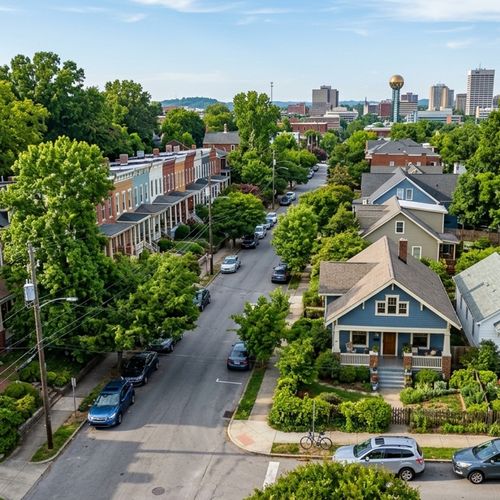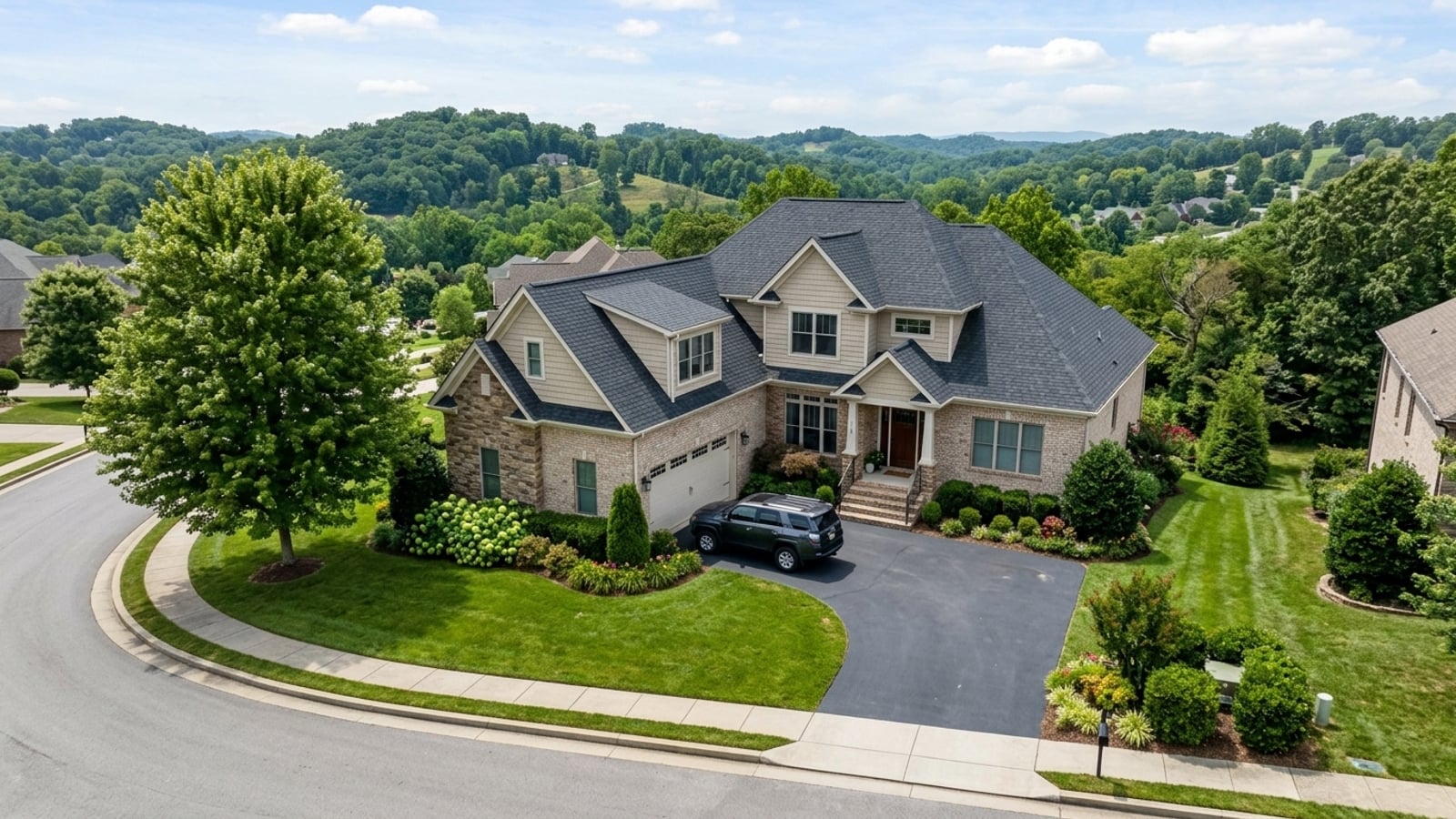
Knoxville sits in the eastern third of Tennessee, serving as the primary hub for the East Tennessee region. The city runs along the banks of the Tennessee River, right in the middle of the Appalachian Ridge and Valley area - and that geography shapes pretty much everything about living here across all Knoxville zip codes, from the road network to the view out your back window.
If you're looking at homes in the area, the layout matters before you start touring. The median home price is around $325,000, and homes are spending roughly 54 days on the market. Your location in relation to the interstates, the suburbs, and the mountains helps you figure out which neighborhoods deserve your time.
Knoxville's Location Within Tennessee
Knoxville is the county seat of Knox County and the anchor of a large metropolitan footprint in East Tennessee. It sits roughly between Nashville to the west and the Great Smoky Mountains to the east - which tells you a lot about its character right there.
The broader area mixes urban centers, waterfront districts, and rolling hills. Because the city spreads out from the downtown core in every direction, drive times and highway access vary quite a bit depending on which side of town you land on.
Knox County and the East Tennessee Region
Knox County covers over 500 square miles, with Knoxville at its geographic and economic center. The whole region sits in the Appalachian Ridge and Valley system, which means the landscape runs in long, parallel ridges separated by valleys - not the flat grid that buyers from the Midwest or the plains are used to.
That terrain dictates a lot of the local road network. Major routes tend to follow the natural ridges rather than cutting across them. If you're relocating from somewhere flatter, expect winding roads and real elevation changes in plenty of residential areas.
Surrounding Suburbs and Cities
Knoxville is ringed by suburbs and small cities, most of them within a 15- to 35-minute drive of downtown. Farragut sits to the west, straddling Knox and Loudon counties, with a suburban feel and housing prices to match. South of the city, near the foothills, you'll find Maryville and Alcoa.
About 25 miles north and northwest is Oak Ridge - historically known as the "Atomic City." Halls Crossroads is roughly 15 minutes north, Clinton about 30 minutes northwest, and Seymour and Sevierville are to the southeast, out toward the mountains.
Getting Around Knoxville and Beyond
The local transportation network is built around a cluster of interstates that converge near the city center. Interstate 40 is the primary east-west artery, connecting Memphis, Nashville, and Knoxville. Interstate 75 runs north-south and lines up with the western suburbs - Farragut, West Knoxville - while Interstate 640 acts as a bypass loop around downtown, carrying both I-40 and I-75 traffic along with required hazardous materials trucks.
Interstate 275 is a short spur that connects downtown to the I-75 and I-640 loop. Interstate 140, also called Pellissippi Parkway, links West Knoxville to Oak Ridge and the Maryville and Alcoa areas.
Drive Times to Regional Hubs
The drive from Knoxville to Nashville is about 180 miles via I-40 - figure two and a half to three hours in normal traffic. Chattanooga is a 112-mile trip down I-75, typically around an hour and 45 minutes. Both of those stretch out during peak commuting hours or heavy weekend travel.
Public Transit and Bus Routes
The Knoxville Area Transit (KAT) system runs the city's public bus network - currently about 20 fixed routes, plus downtown and university trolleys. KAT also offers paratransit services called The Lift, on-demand options, and shuttle buses for University of Tennessee home football games. After a 2024 network redesign called "KAT Reimagined," the system logged roughly 2.5 million riders in 2025.
Physical Geography and Natural Landmarks
The Tennessee River winds directly through downtown and the southern neighborhoods, giving the city its spine. That waterway provides recreational access and has a real say in where residential development happens and where it doesn't.
The Appalachian Mountains to the east shape both the local climate and the outdoor lifestyle you'll hear a lot of buyers mention. If waterfront properties or mountain views are on your list, there are options scattered across the surrounding counties - though availability depends on which direction you're looking.
The Tennessee River and the Smokies
Great Smoky Mountains National Park is the big regional landmark, and it's genuinely close. The Gatlinburg entrance is about 40 miles away via US-441 - plan for roughly an hour to an hour and 15 minutes depending on traffic, which can be unpredictable on that corridor. The Townsend entrance sits closer, about 45 miles, but typically runs about 45 minutes.
How Knoxville's Geography Shapes Real Estate
The housing market here covers a wide range - historic homes, mid-century developments, new construction. Available inventory currently sits at roughly 815 homes, with properties selling for an average of 97% of their list price.
The city breaks into distinct geographic sectors, and each one delivers a noticeably different experience in terms of property types, price points, and daily life. Knowing which quadrant fits your priorities is worth figuring out before you spend a Saturday driving around.
Housing Styles Across the City
North Knoxville holds much of the city's historic early-20th-century housing stock, concentrated in neighborhoods like Old North Knoxville, Fourth and Gill, and North Hills along the Broadway and Clinton Highway corridor. East Knoxville centers on Magnolia Avenue and includes historic districts - Parkridge, Chilhowee Park, Morningside, Five Points, and Burlington. West Knoxville skews newer and more suburban, with higher costs to go with it.
Neighborhood Sectors
South Knoxville - referred to locally as the SoKo or SoNo area - is a riverfront district with revitalizing residential blocks along the Tennessee River, alongside parks and local breweries. West Knoxville, which takes in the suburb of Farragut, draws buyers looking for larger lots and planned subdivisions. Every quadrant connects back to downtown via the local interstate system, which makes the geography more manageable than it might look on a map.
Frequently Asked Questions About Knoxville's Location
Where exactly is Knoxville located in Tennessee?
Knoxville sits in the eastern third of Tennessee within Knox County, in the Appalachian Ridge and Valley region along the banks of the Tennessee River.
How far is Knoxville from Nashville and the Great Smoky Mountains?
Nashville is about 180 miles away - roughly two and a half to three hours via Interstate 40. The Gatlinburg entrance to the Great Smoky Mountains is approximately 40 miles away and takes just over an hour to reach.
What are the bordering towns around Knoxville?
Farragut is to the west, Maryville and Alcoa to the south. Oak Ridge, Clinton, Halls Crossroads, Seymour, and Sevierville also ring the city, most within a 15- to 35-minute drive of downtown.
What is the average commute time for residents living and working in Knoxville, TN?
Most surrounding suburbs and bordering towns are within a 15- to 35-minute drive of downtown. Commuters typically rely on the interstate network - primarily I-40 and I-75 - to move across the metropolitan area.
How does Knoxville's hilly geography and proximity to the Tennessee River impact local flood zones for homebuyers?
Knoxville runs along the Tennessee River and through the Appalachian Ridge and Valley region. If you're looking at properties near the waterfront or in the surrounding valleys, review the specific topography of the neighborhood carefully before you commit.
Are real estate prices in Knoxville, TN generally higher or lower compared to other major Tennessee cities?
The median home sale price is currently around $325,000. Prices vary by area - West Knoxville and Farragut typically run higher than other sectors of the city.
Check out this article next