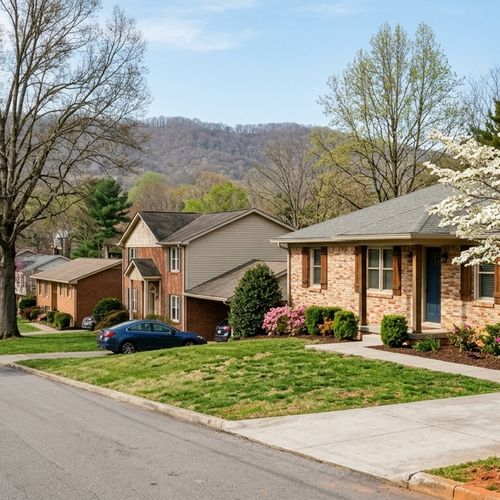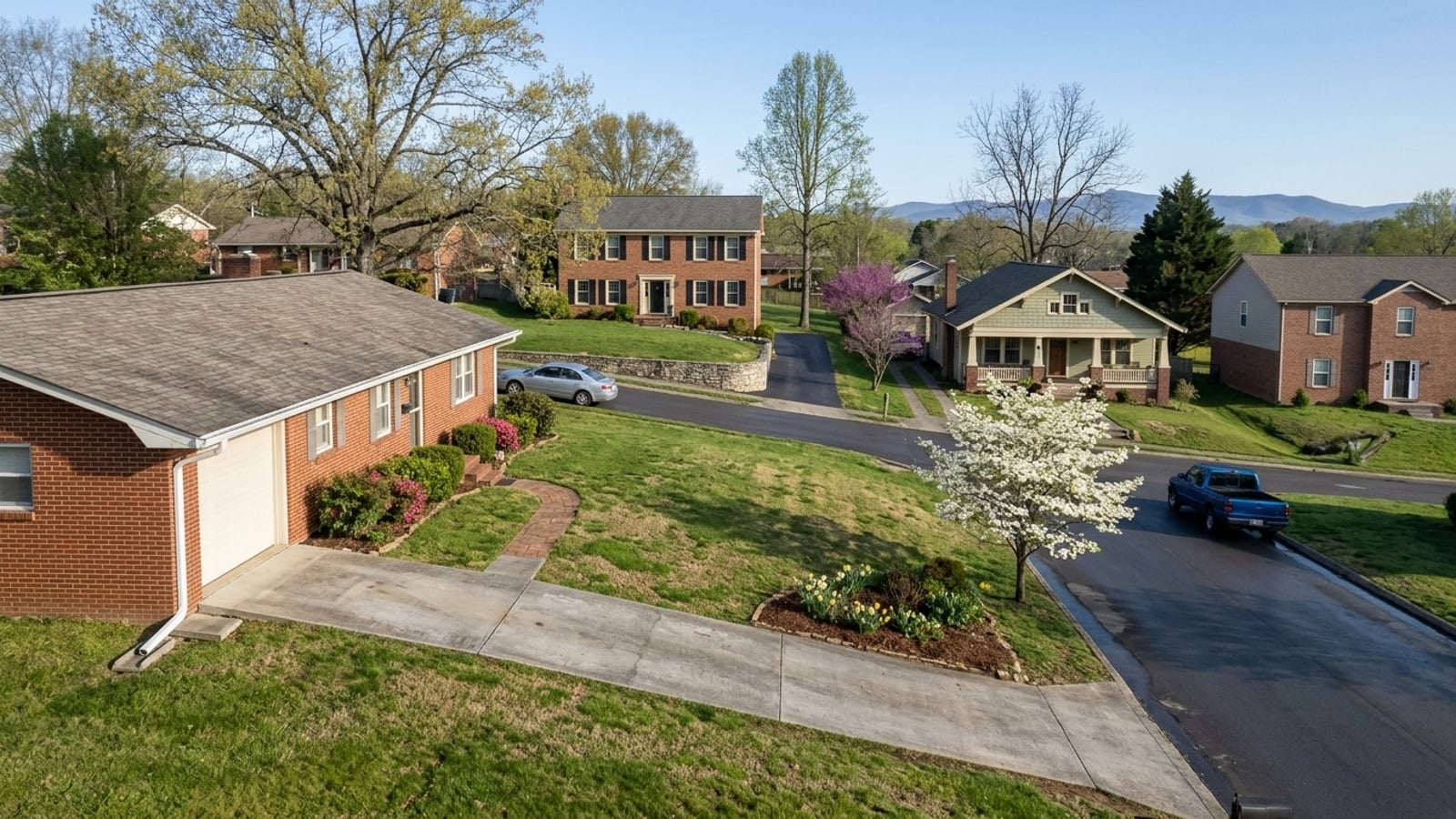
Knoxville's weather risk is water, not cold. Rain falls in every month here, and winter's real hazard is occasional ice on hilly streets rather than deep snow. Judge a Knoxville house by its drainage, crawlspace, and driveway slope long before you worry about its furnace.
The housing market usually gives you enough time to do exactly that. Single-family homes that sold between July and September of 2026 took a median of 53 days to sell. That pace means you can often wait for a heavy rain to see how a property handles runoff before you commit.
Key Takeaway
Knoxville has four distinct seasons, rain in every month, and winters that bring more ice than snow. That makes drainage, humidity control, and hilly driveways the weather questions that matter for a home here. Fall is the most comfortable time to move. If you shop in summer instead, homes that sold recently took a median of 56 days, which usually leaves time to see a house after a heavy rain.
Who This Guide Is For
You are considering a move to Knoxville, or a specific house here, and want to know what the weather will mean for daily life, the home's upkeep, and when to make the move.
Understanding Knoxville's Weather Patterns
Knoxville sits in a valley between the Cumberland Plateau and the Great Smoky Mountains. That geography produces a humid subtropical climate, which means morning fog in low spots and still, heavy air on hot days. The valley setting shapes the daily weather experience, and knowing how the surrounding terrain traps humidity or channels rain tells you a lot about what to look for when you're touring properties.
For the bigger picture, see Pros and Cons of Living in Knoxville.
Where Knoxville Sits and Why It Matters
The city's location in the Tennessee Valley means summer air can settle and linger. Knox County Air Quality Management samples ground-level ozone continuously from March through October, issuing alerts when ozone or particulate levels are forecast to be high. If outdoor air quality matters to your health, you'll need to check the forecast regularly through the hotter months.
How Much Rain and Snow Knoxville Gets
No month is truly dry here. The city sees regular precipitation year-round, so a house in Knoxville gets tested by water many times a year.
Snow totals are modest, averaging roughly 4.6 inches per year over about four days. What that means in practice: residents don't build up much winter driving experience, and heavy snow-clearing equipment is scarce. A thin glaze of ice can shut down hilly streets for a day or more.
Knoxville Weather by Season
The city runs through four distinct seasons, each one bringing different demands on a homeowner. Spring and summer bring heat and storms. Fall offers a stretch of relief. Then winter starts the freeze-thaw cycle again. Each part of the year requires a slightly different approach to caring for a property.
Spring in Knoxville
Spring delivers the longest run of mild days and blooming trees, but it's also when pollen peaks and thunderstorm activity picks up. In the Asthma and Allergy Foundation of America's 2026 Allergy Capitals report, Knoxville ranked #21 out of the 100 most populated U.S. metro areas. Pollen season and spring storms overlap, which means yellow dust on porches and a reason to keep a weather alert source handy on storm nights.
Summer in Knoxville
Summers are hot and humid, with frequent afternoon thunderstorms. The air conditioner runs for months, and moisture control inside the house matters just as much as cooling. Long cooling seasons wear on HVAC systems, and humid air finds its way into crawlspaces and basements with very little encouragement. Ask for the HVAC unit's age and service records before you make an offer.
Fall in Knoxville
Fall is typically the most comfortable season. Cooler nights, mild afternoons, and one of the drier stretches of the year make it the easiest time to load a moving truck.
That said, heavy leaf drop from mature trees clogs gutters right before the wet winter months arrive. Budget for a gutter cleaning shortly after you move in.
Winter in Knoxville
Winter is usually cool rather than harsh, and it stays wet, with rain far more common than snow. A winter storm here typically means ice and rain, not a deep snowfall. NWS Morristown's annual climate summary for the Knoxville McGhee Tyson Airport station recently recorded zero days of freezing rain and only one day of light freezing rain for the year.
Freeze-thaw cycles and ice are hard on steep driveways, exposed pipes, and older roofs. Ask the seller how the driveway and pipes have held up in past freezes before you close.
What Knoxville's Weather Means for a House
The local climate shapes how a property ages and what it costs to maintain. Rain and humidity drive the most pressing inspections during a purchase, and the terrain adds a layer that buyers coming from flatter cities don't always think to ask about.
Water, Drainage and Crawlspaces
Rain in every month plus humid summers means grading, gutters, downspouts, and crawlspace moisture are the first things to examine. Walk the yard after a heavy rain if you can, or ask the inspector to look for standing water and moisture staining. Ask the seller for any moisture or mold remediation history as well.
Moisture fixes, including regrading, drainage correction, and crawlspace sealing, vary widely in price. Get written quotes during the inspection period rather than assuming a number.
Ice on Hills and Steep Driveways
Knoxville's ridge-and-valley terrain means many streets and driveways climb sharply. Ice days turn a pretty hillside lot into a parking problem, especially on north-facing slopes that stay icy longer. Drive the route to the house from the nearest main road and judge the driveway slope and orientation for yourself.
A view lot can mean a day or two of being iced in each winter. Decide whether that's acceptable for your commute before you make an offer.
Creeks, the River and Flood Maps
Heavy bursts of rain can push creeks out of their banks, and some lots sit near the Tennessee River or city creeks. Pull the FEMA flood map for the exact address to see if the property sits in a special flood hazard area.
Under the National Flood Insurance Program, flood insurance is mandatory for properties located in Special Flood Hazard Areas when the property has a federally backed or federally regulated mortgage. Get an insurance quote before you buy, because it adds to your monthly housing cost.
Storms, Trees and Power Outages
A mature tree canopy is part of Knoxville's appeal, but thunderstorm winds bring limbs down on roofs and power lines. Have an arborist look at large trees close to the house, ask the seller or their insurer for a CLUE claims history, and check the utility's outage map for the street's history. The shade that keeps summer cooling bills down is the same canopy that can come apart in a storm, and tree removal or trimming is a real cost worth planning for.
Best Time to Move to Knoxville Based on Weather and the Market
Timing your purchase means balancing comfortable moving conditions against what's available. The season you choose affects both your physical comfort and your negotiating position.
Fall offers the best weather for the move itself, while summer tests a home's cooling systems and shows you exactly how it handles heavy rain. Recent market data adds some useful context for the hotter months.
Moving in the Fall
Mild temperatures and typically drier weeks make fall the easiest season to load a truck and settle in. Popular moving weeks book up quickly, though, and University of Tennessee home football weekends can tie up traffic and hotel rooms around downtown and campus. Check the UT home schedule before booking movers, since moving companies and short-term rentals may cost more or have less availability during those weekends.
Buying During the Summer Market
The July to September 2026 window shows what buyers face in the hottest months. Condos sat a median of 86 days with 5.3 months of supply, which gives condo buyers real room to negotiate on price. Single-family houses moved faster, with 18.8% selling above list price, so expect competition for well-priced houses.
Showing a house in July tests its air conditioning and humidity control, which is genuinely useful information. The slow condo pace that helps you buy can work against you if you need to sell in a hurry later, and moving in July heat is harder on people and belongings.
How to Narrow Your Search Around Knoxville's Weather
A few practical questions can help focus your search. Is the house on a slope or reached by a steep street? Read the sections on winter and steep driveways before you commit, and drive the route in bad weather if you can. Is the lot near a creek or the Tennessee River? Pull the FEMA map for the exact address before you make an offer.
Are pollen, humidity, or summer heat your main concern? Start by looking at how the home handles spring and summer, then check the crawlspace for moisture. Is your move date flexible? Compare a fall timeline with the summer market to weigh comfortable weather against negotiating room.
At a Glance
- All homes: median sale price $324,845, up 3.1% year over year (90 days ending 2026-09-30)
- All homes: 686 sold, median 56 days on market, 97.3% sale-to-list, 16.7% sold above list (90 days ending 2026-09-30)
- All homes: 877 homes in inventory, 3.9 months of supply, median $230 per square foot (90 days ending 2026-09-30)
- Single-family: median $319,872 (up 1.6% YoY), 551 sold, median 53 days on market, 97.5% sale-to-list, 18.8% sold above list, 3.5 months of supply (90 days ending 2026-09-30)
- Condo: median $339,965 (up 9.7% YoY), 110 sold, median 86 days on market, 96.6% sale-to-list, 10.2% sold above list, 5.3 months of supply (90 days ending 2026-09-30)
- Townhouse: median $523,006, $319 per square foot, median 52 days on market, based on only 22 sales (90 days ending 2026-09-30); the 60.3% year-over-year change on a sample this small says more about which townhouses sold than about values
Knoxville, TN Weather FAQs
When Was the Last Time It Rained in Knoxville?
This changes daily, so a static page can't give you the current answer. You can find the official record by checking NWS Morristown's daily Climatological Reports for the Knoxville McGhee Tyson Airport observation station. Check the latest daily report on the NWS site for the most recent rainfall.
How Many Days a Year Does It Rain in Knoxville?
Knoxville sees rain regularly, but the exact number of days with measurable precipitation varies by year. You can find the historical average of days with 0.01 inch or more of precipitation by checking the NOAA National Centers for Environmental Information 1991-2020 normals for Knoxville.
Is Knoxville, TN in a Drought Right Now?
Drought status changes weekly, so check the U.S. Drought Monitor map, which updates every Thursday. According to drought.gov's Climate Prediction Center assessment for Knox County, as of late 2026 there is no drought present and no drought development is predicted.
When Is the First Frost in Knoxville?
Frost dates vary each year based on current weather patterns. You can check the NOAA National Centers for Environmental Information for the historical average first fall freeze and last spring freeze dates in Knoxville. Those dates tell you when to disconnect hoses and protect outdoor faucets and plantings.
Does Knoxville Get Tornadoes?
Yes, tornadoes can happen here. NOAA's Storm Events Database confirmed an EF2 tornado in western Knox County on August 7, 2023, which was the first confirmed EF-2 or greater tornado in the county in any month since February 1993. Sign up for local emergency alerts and know where to shelter in any home you buy.
Which National Weather Service Office Covers Knoxville?
The NWS Morristown, TN office covers Knox County. It's responsible for issuing forecasts, watches, and warnings for 33 counties in east Tennessee, plus parts of Virginia and North Carolina. Its site carries local forecasts, warnings, and climate records.
Is Knoxville, TN in the Mountains, and What Is Its Elevation?
Knoxville sits in a valley with the Great Smoky Mountains to the east, not in the mountains themselves. You can check the USGS Geographic Names Information System for the city's official elevation.
Is Knoxville's Weather a Pro or a Con of Living There?
Four distinct seasons with little snow, humidity, pollen, and occasional ice days are the factors to weigh. You can check the NOAA National Centers for Environmental Information for historical climate data to weigh those factors against your own preferences.
Sources
- Redfin: Data Center
- Wikipedia: Knoxville, Tennessee
- NWS Morristown: County Warning Area
- NWS Morristown: Daily Climate Report
- NWS Morristown: August 7 Tornado Wind
- NWS Morristown: Annual Climate Report
- Drought.gov: Knox County, TN
- FloodSmart: What is my flood risk?
- Asthma and Allergy Foundation of America: 2026 Allergy Capitals Report
- eCFR: Appendix D to Part 58
- Current Results: Tennessee Annual Snowfall
Check out this article next