Knoxville, TN, has about 202,021 residents right now, which makes it the third-largest city in the state. For anyone buying a home in Knoxville, TN, the market here runs the full range - downtown condos, historic bungalows, large single-family homes near the Tennessee River - so the real question isn't whether you'll find something. It's where to start looking.
The median home sale price sits at approximately $325,000, and homes are spending about 54 days on the market. Where you land within that picture depends on your budget, the kind of home you want to live in, and how much time you're willing to spend on I-40 or Kingston Pike each morning.
How Knoxville is Organized
The city breaks into five main sections: North, South, East, West, and Downtown. They all connect back to the center through I-40, I-75, and Pellissippi Parkway, so getting around isn't complicated once you know which corridor serves your part of town.
West Knoxville - and Farragut in particular - tends to mean larger subdivisions and retail strips along Kingston Pike. South Knoxville sits just across the Tennessee River from Downtown and gives you quick access to Fort Loudoun Lake along with some genuinely dense wooded terrain.
Mapping Out the Main Corridors
Commute times matter here, so map out the highway grid before you fall in love with a neighborhood. I-40 runs east to west straight through the city center - that's your main artery for cross-town travel. I-75 heads north toward Kentucky and south toward Chattanooga, intersecting I-40 just west of Downtown.
If you'll be commuting to the University of Tennessee campus or one of the metro area's major employers, do yourself a favor and test drive those routes during rush hour before you commit to a zip code.
Housing Styles and Prices by Area
The citywide median is around $325,000, but that number covers a lot of ground. There are currently about 815 active listings in the market - a mix of established homes and new construction - so you have real choices across price points and property types.
Early 1900s bungalows and modern townhomes can both be on your list at the same time. Your budget and space requirements will tell you which part of Knox County deserves the most attention.
Detached Homes and New Construction
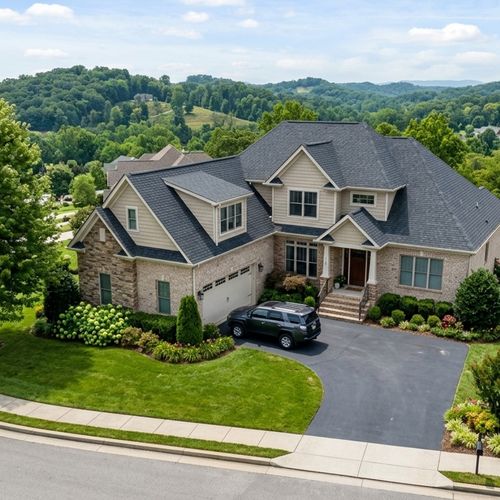
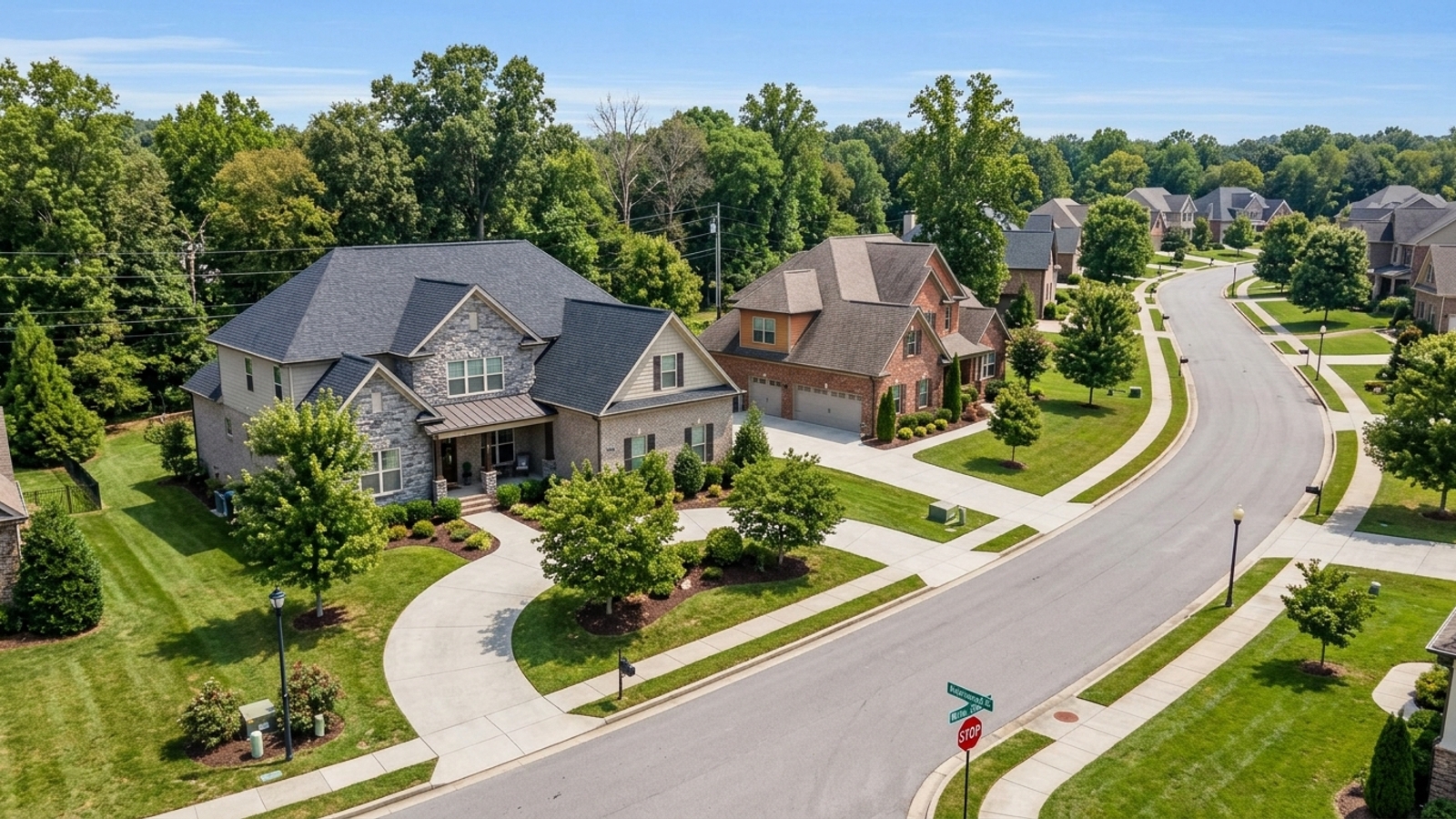
West Knoxville, including Farragut and Hardin Valley, is where you'll find the heaviest concentration of detached single-family homes and newer subdivisions. Hardin Valley in particular draws buyers looking for new construction - modern floor plans, master-planned community amenities, that whole picture.
Prices in these areas tend to run above the citywide median, which reflects larger lots and newer materials. If you're considering one of these developments, go in with your eyes open about HOA rules and monthly fees, because both tend to be more restrictive and higher than in older parts of the city.
Historic Districts and Attached Homes
Fourth and Gill, Old North Knoxville, and Sequoyah Hills are where buyers focused on historic architecture tend to land. Sequoyah Hills sits on a peninsula surrounded by the Tennessee River and features some of the city's oldest and most expensive estates - it's a distinct price category.
Downtown and the immediate University of Tennessee campus area are a different story entirely. The housing stock there is primarily condos and attached townhomes, which appeals to buyers who want to skip exterior maintenance and stay within walking distance of restaurants and transit.
Local Amenities and Market Data
Knoxville's overall cost of living runs about 14% below the national average, which gets the attention of a lot of out-of-state buyers. Median household income estimates land somewhere between $62,453 and $66,715, depending on which data source you're looking at.
Schools and public services belong in your evaluation alongside housing costs. The sections below point you to the official sources worth bookmarking - not third-party rankings, but the actual tools.
School Zoning Information
Knox County Schools covers the entire city and surrounding county, and school assignments run strictly by address. Attendance boundaries do shift over time, so don't assume the zoning you see on a map today will hold.
The district provides a public KGIS School Zone Search tool online. Plug in the specific address of any home you're seriously considering and you'll get the confirmed school assignment - no guesswork.
Researching Crime Data
Skip the third-party ranking sites and go straight to the source. The Knoxville Police Department maintains public crime data dashboards, including an Offense Map and a Calls for Service Dashboard. The department also links out to the LexisNexis Community Crime Map for address-level detail.
For areas outside the immediate city limits, the Knox County Sheriff's Office and the FBI Uniform Crime Reporting program both offer additional data.
Buying a Home in the Current Market
Knoxville recently saw 734 homes sold over a short period, and the median days on market is sitting at 54. With about 3.4 months of housing supply available, the market leans slightly toward sellers - not dramatically, but enough to matter when you're writing an offer.
The average sale-to-list price ratio is roughly 97.5%, so most homes are selling close to ask. That's not a market where you lowball and see what happens. A local agent with MLS access will help you track new listings quickly and put together offers that hold up.
Common Questions About Knoxville Neighborhoods
What neighborhoods and communities are in Knoxville, TN?
The city structure centers on Downtown, with major residential development expanding outward into distinct North, South, East, and West sectors. Established suburbs like Farragut and Bearden sit to the west, while historic enclaves such as Fourth and Gill are located closer to the city center.
What do homes cost across Knoxville's neighborhoods?
While the overall city median sits near $325,000, price floors and ceilings vary sharply by location. Buyers can find entry-level attached units below the median near the university, whereas estates in riverfront communities like Sequoyah Hills represent the top tier of local real estate.
What types of homes are available across Knoxville's neighborhoods?
Buyers will find everything from early-1900s architecture in Old North Knoxville to master-planned new builds in Hardin Valley. The housing density shifts significantly depending on your zip code, moving from high-rise condos downtown to multi-acre detached properties in the western suburbs.
What school districts serve Knoxville's neighborhoods?
A single district, Knox County Schools, manages public education for the entire metropolitan area. Because boundary lines can shift, buyers should verify specific property addresses through the district's official KGIS map rather than relying on neighborhood generalizations.
How can I research crime data for a specific Knoxville neighborhood?
Local law enforcement agencies provide direct access to incident reports and neighborhood statistics. Buyers can review the Knoxville Police Department's Offense Map or check the LexisNexis Community Crime Map to evaluate specific blocks before writing an offer.
How fast are homes selling in Knoxville's competitive neighborhoods?
Properties typically spend about 54 days on the market before closing. Since the average sale-to-list price ratio hovers around 97.5%, buyers should expect to make competitive offers near the asking price rather than relying on steep discounts.
How do I find homes for sale in a specific Knoxville neighborhood?
Partner with a real estate professional who can pull real-time MLS data for your target zip codes. Setting up automated alerts through an agent ensures you see new properties immediately, giving you a head start in a market with limited inventory.
Check out this article next