Knoxville, TN currently has an estimated population of around 198,708 people distributed across all Knoxville, TN zip codes, and that number matters a lot more to your home search than most buyers realize. It anchors the broader East Tennessee metropolitan area and, more practically, it drives what's available, what things cost, and how fast you need to move.
With around 96,441 housing units inside the city limits, the relationship between incoming residents and available homes isn't abstract - it shows up every time a well-priced listing gets multiple offers inside a week.
Sizing Up Knoxville and Knox County
According to the 2024 American Community Survey estimates, Knoxville's population sits at approximately 198,708. That puts it in a distinct tier within Tennessee - substantial enough to support a real urban core with genuine employment and healthcare anchors, but nowhere near the scale of Nashville or Memphis.
Knox County leans on the city for commercial activity and jobs, which means a meaningful share of the county's residents are either living inside city limits or commuting into them daily. For buyers, that concentration matters: it keeps demand across all property types fairly consistent, and it means the market doesn't have the sleepy pockets of low competition you might find in a smaller Tennessee city.
Recent Growth and Its Impact on Real Estate
Knoxville grew by roughly 6.63% between 2010 and 2020, adding residents and pushing the population from 178,874 to 190,740. That kind of sustained growth doesn't leave the housing supply time to catch up.
Right now, the city is sitting on an inventory of about 815 available homes - roughly 3.4 months of supply. A balanced market needs closer to six months. That gap is why sellers have had the upper hand for a while, and why buyers who hesitate on a good property tend to regret it. The median time on market is 54 days, but the homes worth buying often move faster than that.
New Construction and Housing Inventory
The Knoxville-Knox County Planning Commission oversees ongoing residential development, and builders are actively working to add to the existing 96,441 housing units. The problem is that new construction almost always lags behind immediate demand.
If you're set on a brand-new home, you'll need to track subdivision releases closely - they go quickly. In the meantime, most buyers end up in the resale market because new builds are either unavailable or months out. Sellers of existing homes benefit directly from that gap.
How Growth Influences Property Values
The median sale price in Knoxville is currently around $324,785, which reflects a modest year-over-year increase of 1.5%. That's not a runaway market, but it's not stagnant either.
Homes are selling for an average of 97.49% of list price, and about 16.77% of recent sales closed above asking. That last number tells you something useful: price a home correctly and there's still real competition for it. The growing pool of buyers hasn't dried up.
Housing Density and Neighborhood Layouts
Knoxville covers 98.7 square miles of land area with a population density of approximately 2,012.6 people per square mile. That density shapes everything about what your options look like depending on where in the city you're searching.
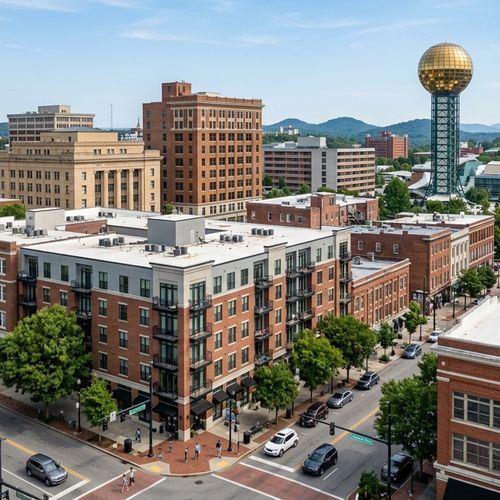
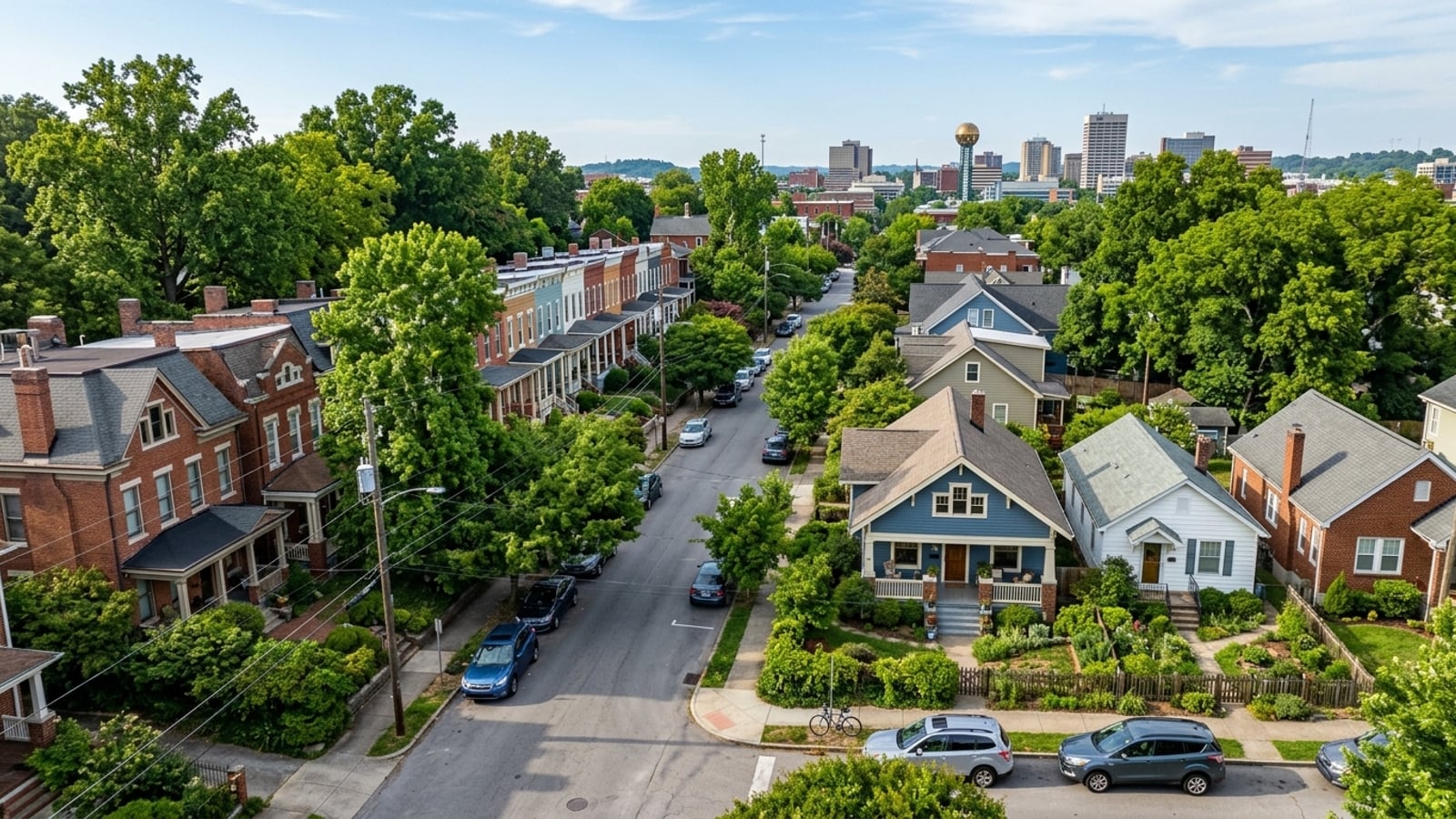
Downtown and the areas closest to the urban core skew toward attached housing and smaller single-family lots. Move outward into West Knoxville, Halls, or Powell and you're in traditional suburban subdivisions - more space between you and your neighbors, but a longer commute to pull it off. Neither is wrong, but they're genuinely different trade-offs. Sellers in the denser areas tend to lead with walkability and proximity to amenities; sellers further out lead with lot size and privacy. Knowing which trade-off matters to you before you start looking will save you a lot of wasted weekends.
Traffic and Infrastructure Considerations
Population concentration means traffic, and Knoxville's commuter load moves primarily through I-40, I-75, and the Pellissippi Parkway. These routes carry the bulk of daily travel between suburban neighborhoods and commercial centers.
Before you commit to a neighborhood, drive your expected commute during rush hour. Access to these main arteries is a real factor in how a property is priced and how quickly it moves - buyers pay attention to it, which means you should too.
Frequently Asked Questions
What is the current population of Knoxville?
As of the 2024 ACS estimates, Knoxville has approximately 198,708 residents, making it the primary population center for East Tennessee.
Is Knoxville, TN growing?
Yes. Between 2010 and 2020, the population increased by about 6.63%, growing from 178,874 to 190,740 people. That growth has been steady rather than explosive, but it's been consistent enough to keep pressure on the housing supply.
How is population growth affecting home prices in Knoxville, TN?
Sustained demand from a growing resident base keeps values supported. The median sale price is currently around $324,785, and homes are consistently selling for nearly 97.5% of their list price.
Is the influx of new residents making it harder to buy a house in Knoxville?
It depends on your budget and timeline, but competition is real. With only 815 homes recently available and just 3.4 months of supply, your options are limited and the clock moves faster than most buyers expect once a suitable property hits the market.
Check out this article next